Quick answer
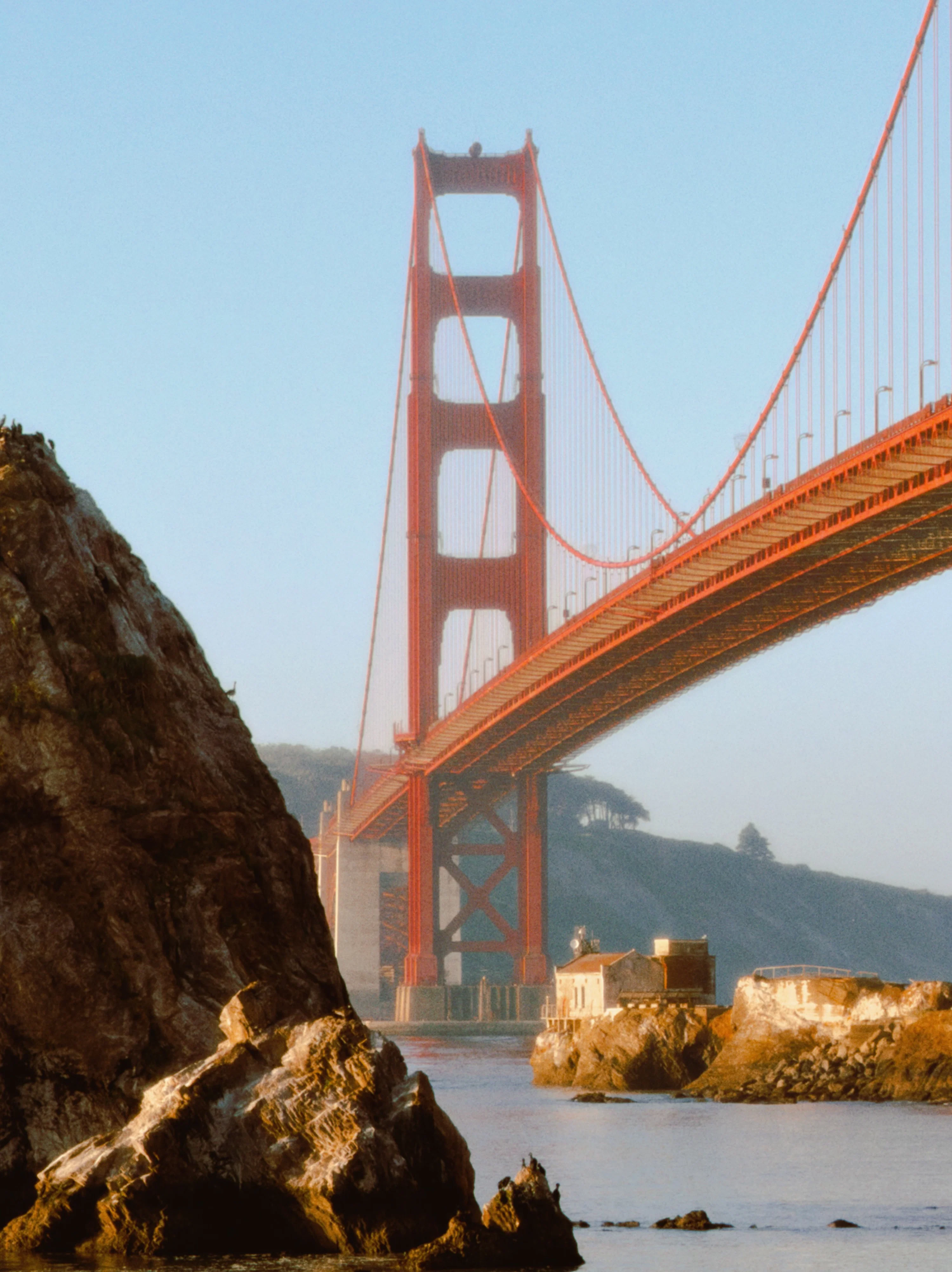
The Golden Gate Bridge clears the water by 220 feet at mean high tide, measured from the roadway deck to the surface of the strait below. At extreme low tide, clearance increases to approximately 227 feet. This height was engineered to accommodate the largest naval and commercial vessels entering San Francisco Bay, including aircraft carriers, while leaving a safety margin for wave action and load deflection.
The Golden Gate strait narrows to just over one mile at its tightest point, and the bridge spans that channel 746 feet above the bedrock floor. Engineers in the 1930s calculated the golden gate bridge distance to water by surveying mean high tide levels across multiple tidal cycles, then adding clearance for the tallest military ships anticipated to pass beneath. The result was a deck elevation that remains fixed while the Pacific rises and falls twice daily. Tidal fluctuations in the strait average six feet between high and low water, a modest range compared to the Bay of Fundy but enough to matter for vessels with minimal clearance margin. Container ships and tankers approaching the Port of Oakland navigate the center span during slack tide windows when the water surface sits closest to mean levels. The bridge's main span, suspended between the two towers, carries the roadway 220 feet above mean high tide, while the approach spans taper downward toward the anchorages on either shore. That geometry means clearance varies along the bridge's length, with maximum height at the center and reduced clearance near the towers. Beneath the deck, the strait plunges to depths exceeding 300 feet in the navigation channel, scoured by tidal currents that reverse direction every six hours. The vertical distance from bridge to water represents only the upper segment of a much deeper column—the south tower foundation sits 110 feet below the surface, anchored in bedrock after workers excavated through mud and sand. The bridge's height above water was as much a feat of foundation engineering as suspension design, requiring caissons and cofferdams to reach stable ground beneath the seabed. The 220-foot clearance figure appears in navigation charts and pilot guides as a hard limit for vessels entering the bay. Aircraft carriers and cruise ships with tall superstructures calculate their air draft—the distance from waterline to highest mast or antenna—before attempting passage. When a ship's air draft approaches 210 feet, captains time their transit for low tide to gain the extra margin. The bridge's distance to water shapes not only maritime traffic but also the visual scale of the span itself, suspending the roadway high enough that fog banks often roll beneath the deck while the towers pierce clear air above.
“The 220-foot clearance was engineered to accommodate the largest naval vessels entering San Francisco Bay, leaving margin for wave action and load deflection.”
Best Time to Observe the Golden Gate Bridge Distance to Water
The best arrival window is 06:30–10:00, which offers the most consistent lighting to observe the bridge's clearance above the water. Arriving early minimizes the impact of the marine layer, which frequently obscures lower sections of the structure later in the day.
Weekday mornings
Minimal crowds—
Clearer visibility of the bridge height before afternoon fog patterns settle.
September and October
Moderate crowdsClear skies, 60–75°F
The warmest months with the highest probability of low-tide visibility.
November to February
Low crowdsCooler, 45–60°F
Increased chance of heavy fog masking the distance between the deck and water.
Spring (April–May)
High crowdsBreezy, 50–65°F
High wind conditions can create choppy water, affecting perspective on the bridge elevation.
Verdict: Plan your visit for Tuesday to Thursday between 06:30 and 10:00 during September or October for the clearest view of the bridge's distance to the water.
Getting to Viewpoints for the Golden Gate Bridge Distance to Water
The Golden Gate Bridge is located at Golden Gate Bridge, San Francisco, CA 94129, USA. Visitors can reach primary viewpoints via public transit or private vehicle to observe the span's height above the San Francisco Bay.
Golden Gate Transit lines 28 or 130 to Golden Gate Bridge Toll Plaza
US-101 North or South to the Golden Gate Bridge Toll Plaza parking lot
Walking paths from Crissy Field or the Presidio to the bridge span
Prime Locations to Photograph Golden Gate Bridge Distance to Water
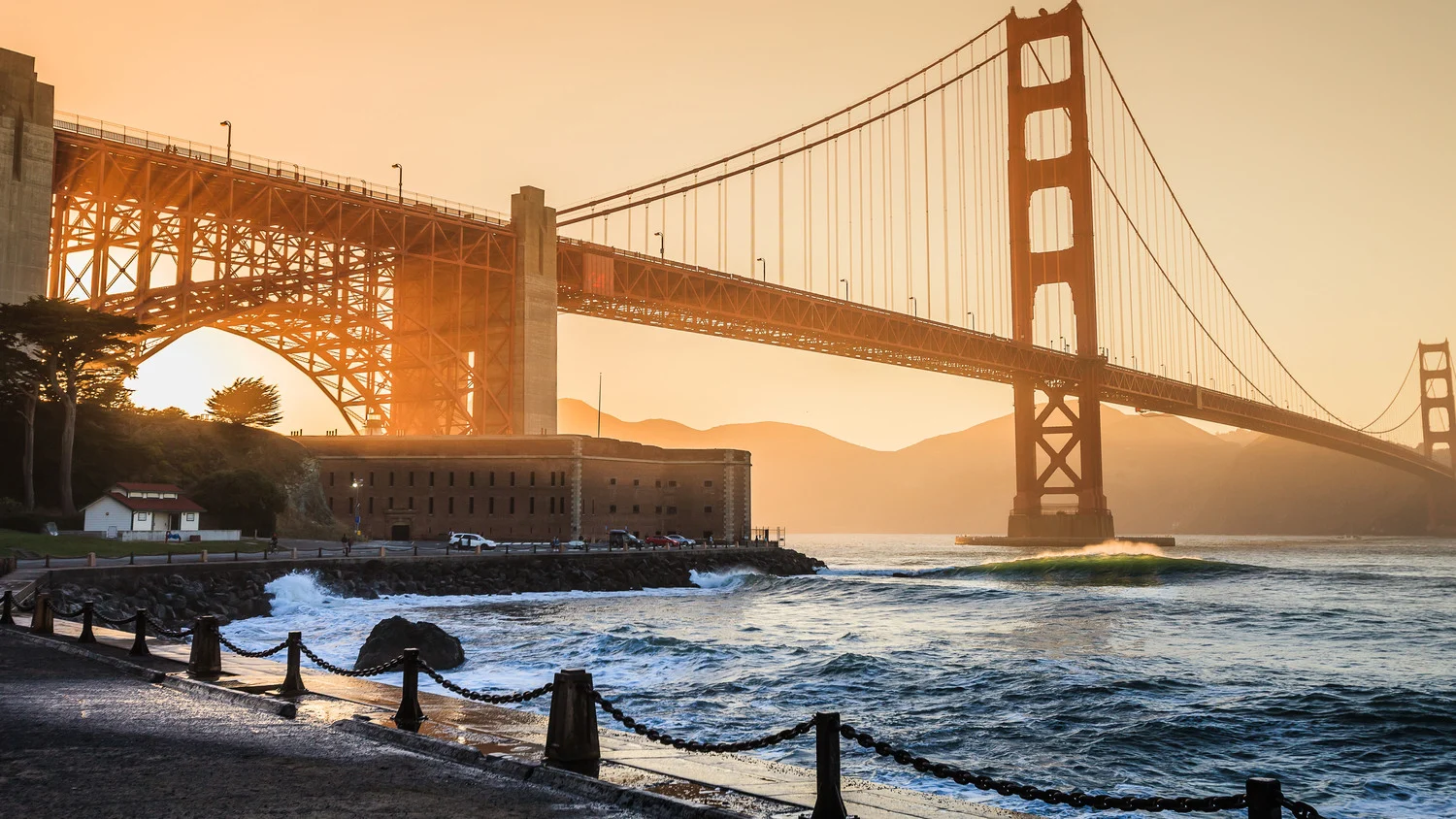
Fort Point National Historic Site
This location sits directly beneath the southern span, providing a clear vertical perspective of the bridge structure towering above the water. Access is via Marine Drive.
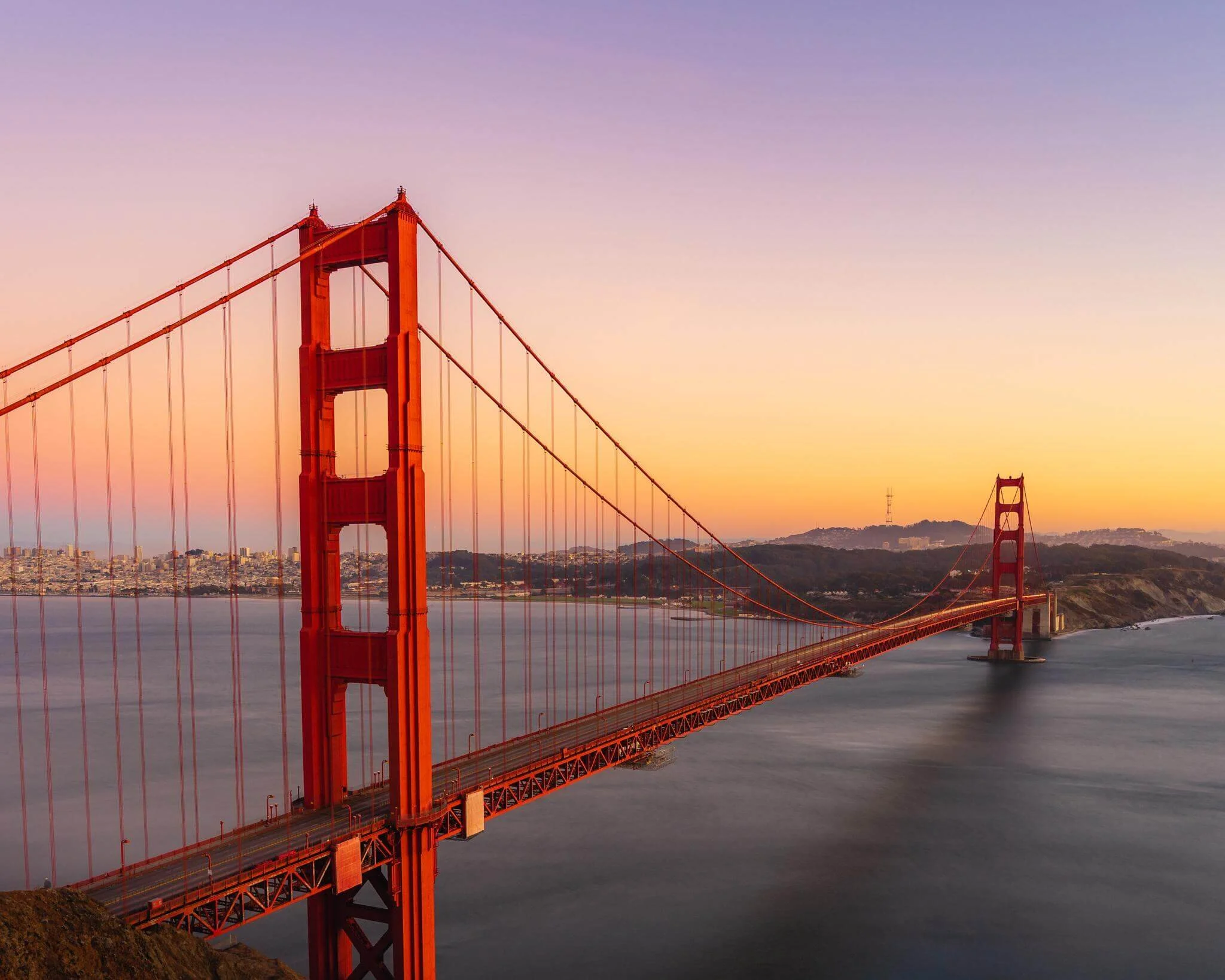
Battery East
Positioned on the bluffs, this spot offers a vantage point that captures the bridge height in relation to the bay surface. It provides a structured composition of the steel towers.
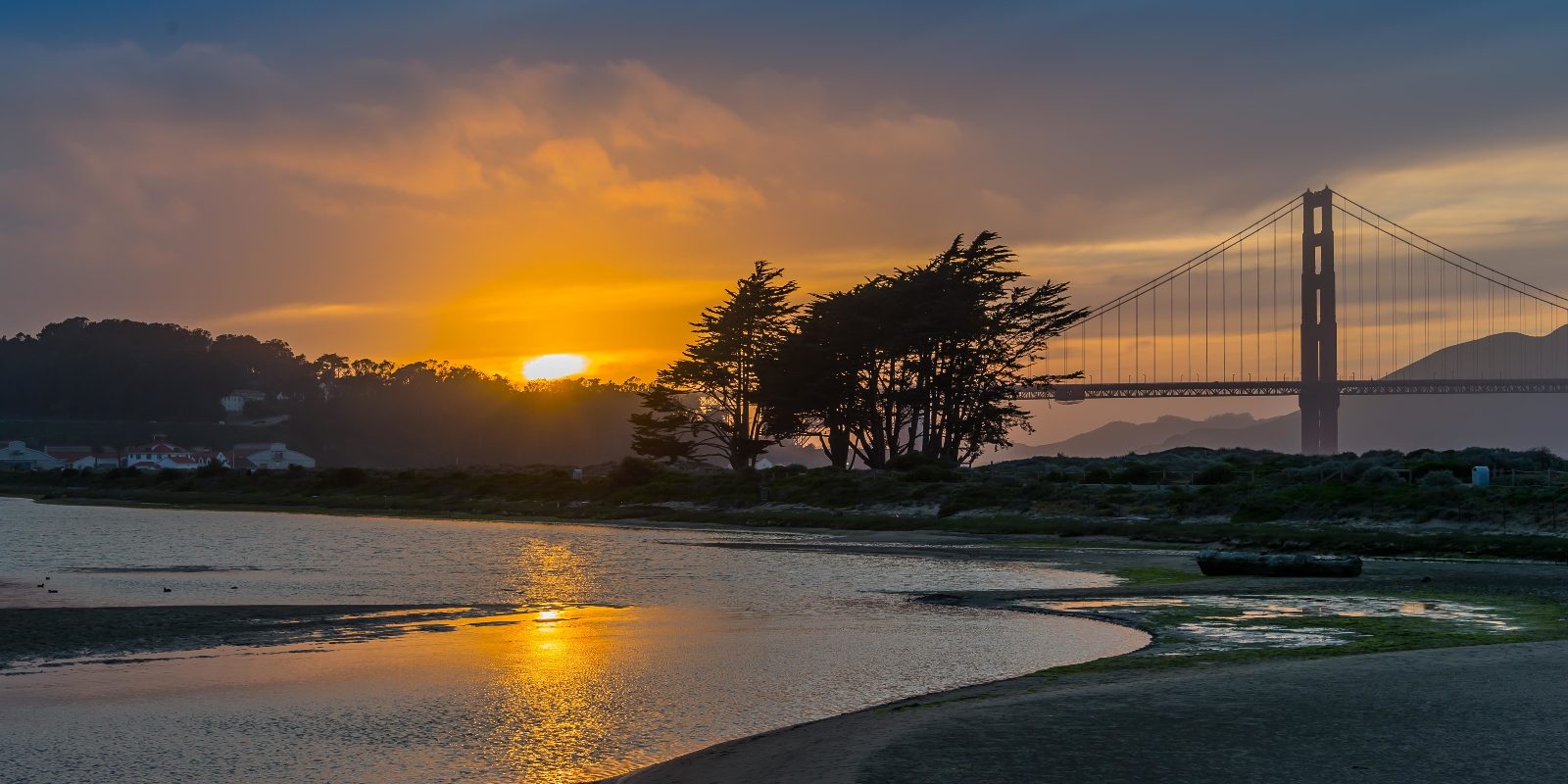
Crissy Field Beach
This shoreline area allows photographers to capture the full scale of the bridge from the water line, emphasizing the distance between the roadway and the bay. Wide lenses are recommended.
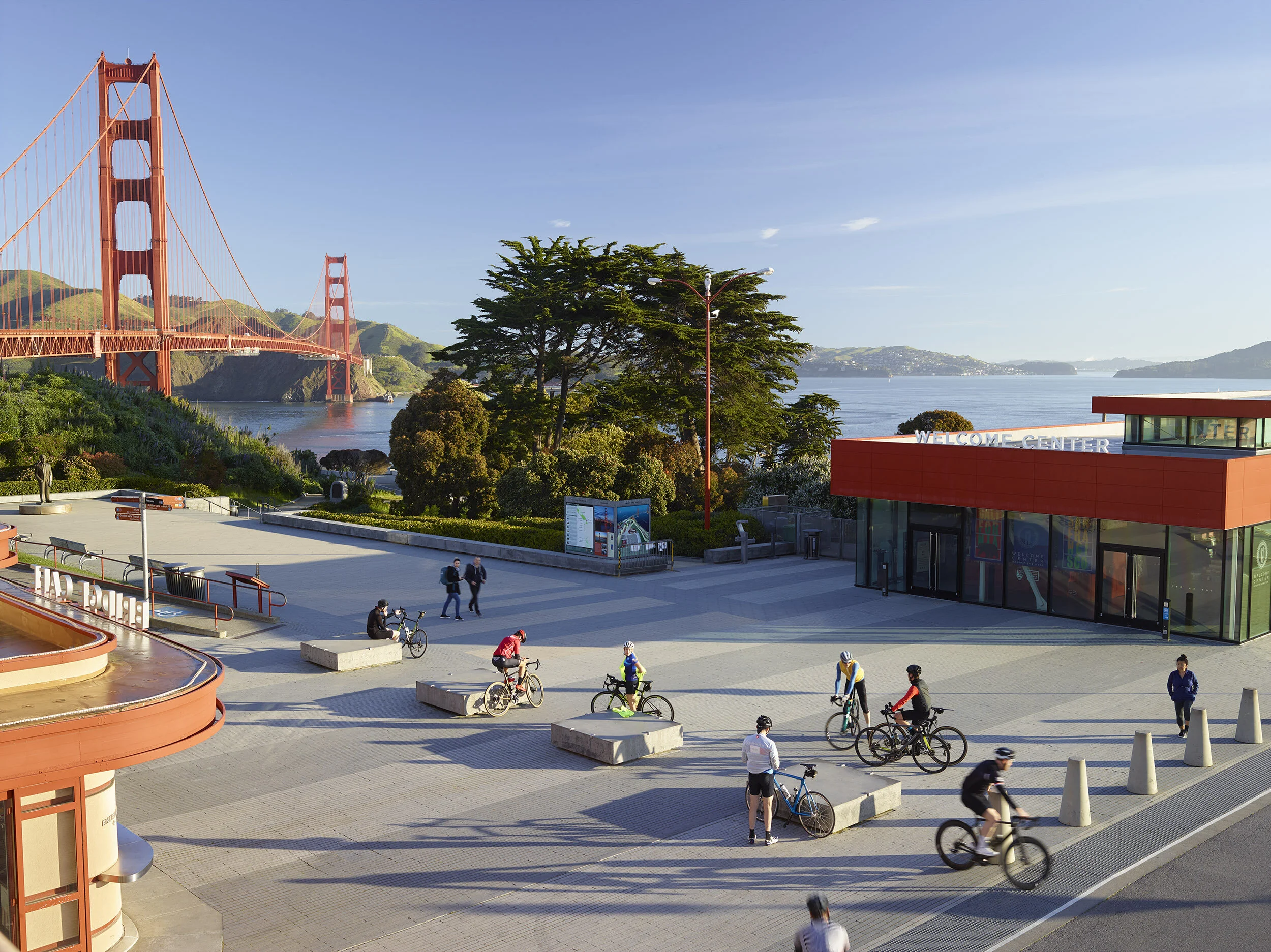
Golden Gate Bridge Welcome Center
Located near the south end, this vantage provides a high-angle view looking down toward the water and the bridge supports. It is ideal for assessing the vertical clearance.
Access Hours for Viewing the Golden Gate Bridge Distance to Water
The pedestrian walkways of the Golden Gate Bridge are open to visitors throughout the week. Access remains consistent regardless of the day to accommodate your schedule for viewing the structure and the water below.
| Monday | 00:00–23:59 | |
|---|---|---|
| Tuesday | 00:00–23:59 | |
| Wednesday | 00:00–23:59 | |
| Thursday | 00:00–23:59 | |
| Friday | 00:00–23:59 | |
| Saturday | 00:00–23:59 | |
| Sunday | 00:00–23:59 |
Entrance Fees to See the Golden Gate Bridge Distance to Water
Access to the Golden Gate Bridge walkways for pedestrians and cyclists does not require an admission ticket. There are no fees to enter the bridge area to observe its structure or its distance to the water.
The entry cost is 0 USD for all visitors, with no exceptions for any visitor category.
Check availability
Frequently asked questions about golden gate bridge distance to water
Everything you need to know about golden gate bridge distance to water